Recycling and Sustainability for Gardeners Hampton Hill
 Gardeners Hampton Hill takes a practical, local approach to sustainability, building greener gardening routines around reuse, waste reduction, and responsible disposal. In a busy London setting, Hampton Hill gardening services need to balance beautiful outdoor spaces with environmentally sound working methods. That means planning tasks carefully, separating green waste from general waste, and making sure the materials removed from gardens are directed to the right next step. Our aim is to support attractive gardens while keeping the environmental impact as low as possible.
A key part of our recycling commitment is a 75% recycling and recovery target for suitable garden waste and reusable materials, with continuous improvement where local facilities allow. We work with sorting routines that help reduce contamination and increase the amount of waste that can be recycled, composted, or recovered. In areas such as Richmond upon Thames and nearby boroughs, waste separation standards are increasingly important, so our team pays close attention to green waste segregation, soil separation, and the recovery of recyclable packaging from site operations.
 For many garden projects, the first sustainability win is simply removing waste in the right way. Soil, turf, branches, leaves, hedge cuttings, and biodegradable material are handled separately from plastics, metals, and general debris. This makes it easier to send material to local recycling routes and helps keep contaminated loads out of the system. Our gardeners in Hampton Hill follow a careful collection process so that materials can be directed toward composting, reuse, or specialist recycling streams where available.
We also make use of local transfer stations and licensed waste facilities to reduce unnecessary travel and improve sorting efficiency. Using nearby drop-off and processing points helps lower emissions associated with long-haul disposal and supports a more circular approach to garden maintenance. For bulk clearances and ongoing maintenance work, this local routing can make a real difference, especially when projects generate mixed but recoverable green waste. Responsible waste routing is one of the most effective ways to support greener gardening at neighbourhood level.
Gardeners Hampton Hill also works with selected charities and community organisations that can give a second life to items removed from gardens. Usable pots, lightly worn hand tools, timber offcuts, plant supports, and some outdoor accessories may be passed on when suitable, rather than being thrown away. These partnerships help extend the lifespan of materials and support local good causes. In a borough where many households value both tidy gardens and social responsibility, this reuse-first mindset fits naturally with wider sustainability goals.
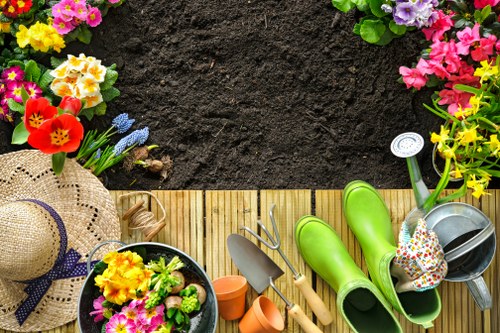 Our planting and maintenance methods are designed to reduce waste at source. We favour robust, long-lasting planting schemes, compost-friendly pruning practices, and careful material ordering so that fewer supplies are left over at the end of a job. Where possible, we encourage the use of peat-free compost, recyclable plant containers, and reusable supports. This kind of eco-conscious gardening in Hampton Hill helps reduce the volume of waste produced over time while still delivering healthy, well-kept outdoor spaces.
Transport is another important part of the sustainability picture. Our fleet includes low-carbon vans chosen to help reduce fuel use and emissions during travel between jobs. Efficient route planning, shared journeys where practical, and regular vehicle upkeep all support this effort. In a London borough setting, where short trips can add up quickly, even modest reductions in emissions matter. By improving vehicle efficiency, green garden service operations become more compatible with local climate goals.
We also pay attention to materials that can be recycled through specialist local systems. Metal plant supports, wire, broken garden furniture components, and some hard plastic items are separated where facilities accept them. Cardboard packaging from deliveries is flattened and diverted to paper recycling streams, while untreated wood may be directed for recovery or composting support depending on condition. This is especially relevant in local areas where borough waste rules encourage more detailed separation of dry recyclables, food waste, and green waste from household and commercial collections.
Garden waste itself is one of the most valuable resource streams in landscaping. Leaves and soft cuttings can be composted, woody material may be chipped for mulch or processing, and clean soil can sometimes be reused in appropriate landscaping work. Gardeners Hampton Hill approaches every job with these possibilities in mind, making sure that recycling in Hampton Hill gardens is not an afterthought but a planned part of the service. That approach reduces landfill use and makes the best use of organic material already present on site.
We are also mindful of seasonal changes in waste volume. Autumn leaf clearance, spring pruning, and post-storm tidying can all generate more material than usual, so we plan collection and sorting carefully during busy periods. The aim is to keep sustainable garden waste management consistent throughout the year, whether we are clearing a single border or managing a larger landscaped property. Where possible, reusable materials are kept separate from recyclable waste at the point of collection to preserve their value.
Working sustainably is not just about disposal; it is also about how gardens are maintained over time. Mulching, balanced pruning, and soil improvement can all reduce the need for frequent replacement planting or unnecessary waste. By focusing on healthy plant growth and resilient garden structures, Gardeners Hampton Hill helps clients enjoy outdoor spaces that are easier to maintain and less resource-intensive. This is a simple but important part of sustainable gardening services in a dense urban area.
 Our commitment to recycling and sustainability is built into everyday decisions, from sorting waste carefully to choosing lower-emission transport. The result is a service that supports attractive gardens while respecting the wider environment. For households and properties in Hampton Hill, that means a greener way to manage outdoor space without compromising on quality or practicality.
 As local expectations around recycling and environmental responsibility continue to grow, Gardeners Hampton Hill remains focused on practical improvements that make a measurable difference. Whether through borough-aligned waste separation, charity partnerships, local transfer stations, or low-carbon vans, each part of the process is designed to keep garden work as eco-friendly as possible. Garden recycling in Hampton Hill is more than waste removal; it is a commitment to reuse, recovery, and smarter stewardship of local resources.