Health and Safety Policy for Gardeners Hampton Hill
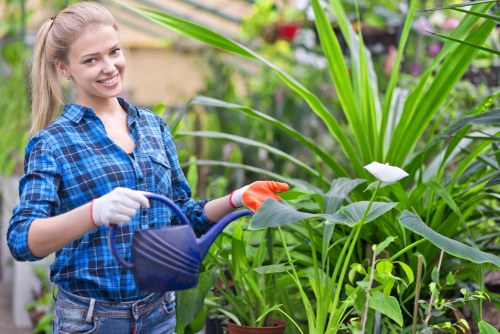 Our Health and Safety Policy sets out the standards and responsibilities that support safe, consistent, and professional gardening services. For Gardeners Hampton Hill, safety is not treated as a separate task; it is part of every stage of garden maintenance, planting, pruning, clearance, and site management. We aim to protect clients, workers, visitors, and property by applying practical controls, careful planning, and clear communication before, during, and after each job.
This policy applies to all gardening work carried out by our team, including routine maintenance, lawn care, hedge cutting, weed control, seasonal tidy-ups, and minor outdoor improvement tasks. We recognise that gardens can present changing conditions, from slippery surfaces and uneven ground to sharp tools and biological hazards. For that reason, our approach focuses on preventing harm through safe working methods, suitable equipment, and ongoing risk awareness. Good garden safety is essential to high-quality service.
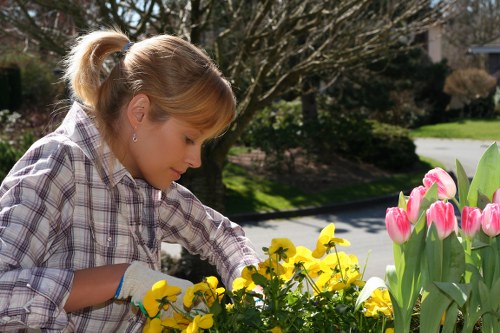 Every gardener is expected to work in a way that protects both people and property. That means using equipment correctly, checking tools before use, reporting defects, and stopping work if conditions become unsafe. We also expect all staff to be aware of weather changes, access issues, pets, children, and the presence of fragile surfaces, hidden cables, or water features. By keeping safety at the centre of the service, Hampton Hill gardeners can complete work efficiently without compromising care.
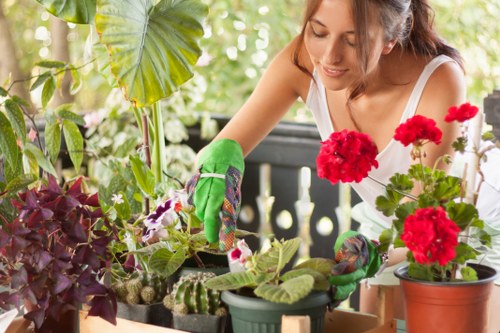 Risk assessment is completed in a proportionate way for each job. The exact method may vary depending on the size of the garden, the type of work required, and the equipment involved. Before starting, the team considers trip hazards, manual handling demands, cutting risks, dust, noise, and exposure to chemicals or plant material. Controls are then selected to reduce those risks, such as using the correct tools, wearing protective clothing, and planning the sequence of work to avoid unnecessary danger.
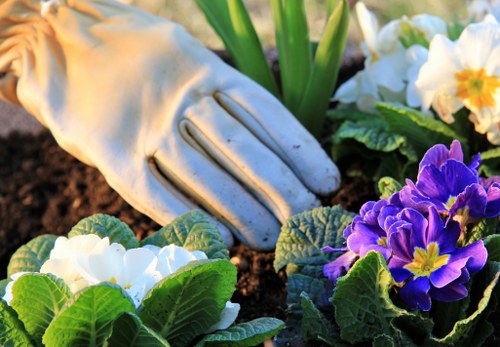
Personal protective equipment is used wherever needed. This may include gloves, safety footwear, eye protection, hearing protection, or high-visibility items depending on the task. PPE is not relied on as the only safeguard, but it is an important layer of protection. All equipment must be suitable for the task, maintained in working order, and used only by trained personnel. Damaged tools, blunt blades, or faulty machinery are removed from service until repaired or replaced.
Manual handling is managed with care because garden work often involves lifting, carrying, bending, and repetitive movement. Heavy bags of waste, paving items, pots, and machinery can place strain on the body if handled incorrectly. Our approach is to reduce load sizes where possible, use team lifting when needed, and choose practical routes that avoid unnecessary carrying. We also encourage regular pauses and varied tasks to help limit fatigue, especially during longer jobs.
Plant-related hazards are also considered part of our health and safety responsibilities. Some plants may irritate the skin, some may cause allergic reactions, and thorny or spiky growth can lead to cuts and punctures. Soil, compost, and standing water may present hygiene concerns, while decaying organic matter can attract insects or create unpleasant working conditions. Staff are expected to wash hands after exposure and to manage waste materials responsibly so that hazards do not spread.
Use of garden chemicals is controlled carefully. Where products such as weed treatments, feeds, or cleaning agents are required, they must be selected and applied according to their intended purpose and usage instructions. Storage must remain secure, and containers should be clearly labelled. The aim is to avoid unnecessary exposure to workers, occupants, pets, and wildlife. In many cases, non-chemical or lower-risk methods may be preferred when they achieve the same result safely and effectively.
Site conditions can change quickly, so our gardeners stay alert to weather, visibility, and ground stability. Wet lawns, icy paths, high winds, and extreme heat can all affect the safety of outdoor work. Activities may be slowed, altered, or postponed if conditions become unsuitable. Equipment must be used with caution in poor weather, and sharp or powered tools may need additional controls. Safety decisions always take priority over speed, appearance, or convenience.
Training and supervision support safe standards across the service. Team members are expected to understand the hazards linked to the work they carry out and to follow agreed procedures. This includes correct tool handling, safe lifting, basic incident reporting, and awareness of emergency steps if something goes wrong. New or less experienced workers are supervised appropriately until they can work confidently and responsibly on their own.
Communication with clients is also part of the policy. Before work begins, relevant concerns should be discussed, such as access routes, areas to avoid, hidden services, or known hazards in the garden. If risks are identified during the visit, the work may be adjusted so that the task remains safe and effective. We believe that safe garden care depends on shared awareness, honest reporting, and respect for the environment in which the work is carried out.
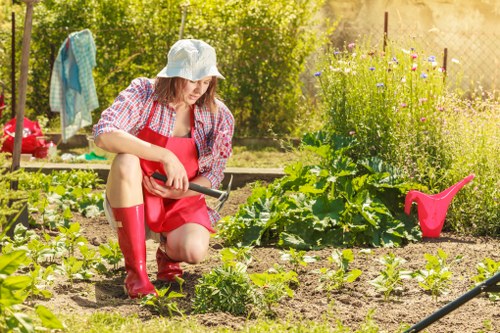 Accident and incident management is taken seriously. If an injury, near miss, or property damage occurs, the situation must be reported promptly and recorded in a clear and factual manner. First aid should be provided when appropriate, and the area made safe to prevent further harm. Following any incident, the cause is reviewed so that future work can benefit from improved controls. This learning process helps strengthen the overall safety culture of the service.
We also expect everyone involved in the service to respect environmental and welfare standards. Waste should be segregated, handled, and disposed of in a responsible way, and work areas should be left tidy enough to reduce the chance of trips, cuts, or obstruction. Tools and materials must not be left where they could cause harm to others. When work is complete, the final check is as important as the initial preparation because it helps confirm that the site has been left in a secure condition.
 This policy is reviewed regularly so that it remains effective, practical, and aligned with the changing needs of outdoor work. Updates may be made after incidents, operational changes, or when improved safety practices are identified. For Gardeners Hampton Hill, the aim is simple: deliver reliable gardening services while maintaining a strong commitment to safety, professionalism, and care in every garden we attend.