Garden waste disposal problems for Hampton Hill gardeners
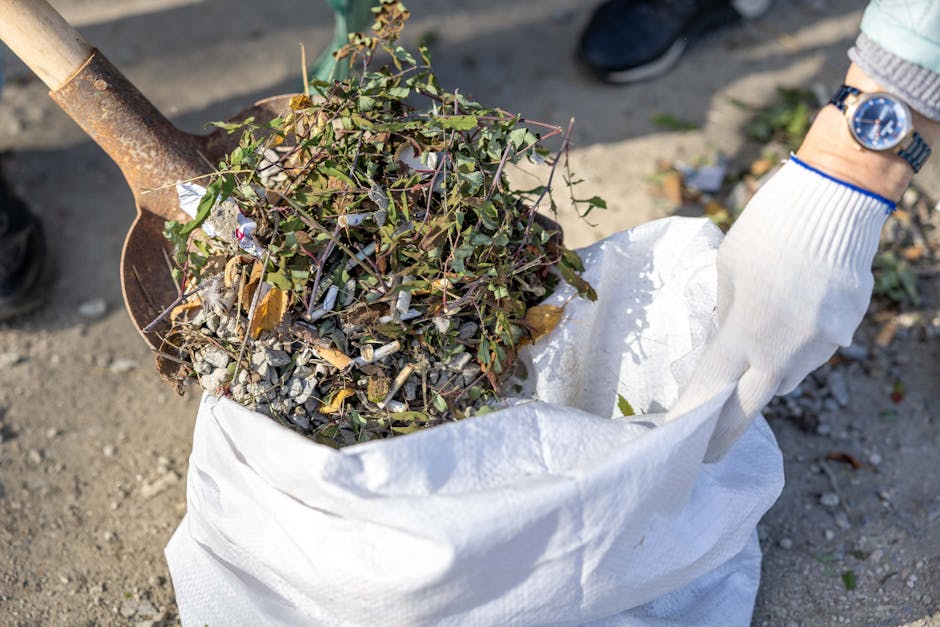
If you garden in Hampton Hill, you already know the lovely side of the job: clipped hedges, fresh mulch, clean borders, and that satisfying after-garden scent in the air. What people do not always talk about is the mess left behind. Branches pile up fast, grass clippings turn slimy, bags get heavier than expected, and suddenly the simple job of tidying the garden becomes a storage, transport, and timing problem. That is the reality behind Garden waste disposal problems for Hampton Hill gardeners.
This guide breaks down the issue in plain English. You will see why it matters, how disposal usually works, where things go wrong, and what to do instead. We will also cover practical options, a simple step-by-step process, common mistakes, and a realistic checklist you can use straight away. No fluff, no grand claims - just the sort of advice that helps on a damp Tuesday morning when the green bin is already full.
Why Garden waste disposal problems for Hampton Hill gardeners Matters
Garden waste is not just "green stuff." It is a mix of bulky, heavy, wet, spiky, and sometimes awkward material that can get out of hand quickly. In a place like Hampton Hill, where many gardens are compact, tucked behind properties, or shared with patios and fencing, disposal can become a real headache. One hedge trim and you may already have more waste than fits neatly into a car boot. One windy weekend and the pile spreads. It happens.
The practical problem is not only clutter. Poor disposal can block access paths, attract pests, create slippery surfaces, and make the garden feel unfinished for days. If you have ever stood there with a fork in one hand and a black bag splitting at the seam, you will know the mood shift instantly. It is meant to be satisfying; instead, it becomes a bit of a chore.
There is also an environmental side. Garden waste is often biodegradable, which means it should be handled in a way that supports composting, mulching, or responsible removal rather than simply being mixed in with general rubbish. Thinking it through properly saves time, reduces strain, and usually makes the garden work more efficiently over the long term.
For busy households, landlords, older gardeners, and anyone maintaining larger planting schemes, the issue becomes even more important. Regular maintenance creates regular waste. Without a clear plan, tidy work turns into a backlog. And once that backlog starts, it tends to snowball. Not dramatic, just annoying - which is sometimes worse.
How Garden waste disposal problems for Hampton Hill gardeners Works
At a basic level, garden waste disposal means separating organic material from other rubbish, deciding what can be reused, and then removing the rest in a safe, lawful, and practical way. In most gardens, the waste falls into a few familiar categories: grass cuttings, hedge trimmings, leaves, weeds, prunings, small branches, soil, roots, and sometimes bulky cuttings from shrubs or trees.
The process usually works best in stages. First you sort the waste. Then you reduce its volume. Then you decide whether it can be composted, reused as mulch, stored temporarily, or collected and removed. That sounds obvious, but the order matters. A lot. If you throw everything into a heap first, you create more work later.
In practice, disposal is shaped by three things:
- Volume - a small border tidy-up is very different from a full garden clearance.
- Material type - soft clippings behave differently from thick woody branches or thorny cuttings.
- Access and timing - narrow side passages, wet weather, and limited bin space all affect the job.
A sensible approach is to treat garden waste as part of the maintenance plan rather than an afterthought. That is especially true if the garden includes hedges, mature shrubs, or fast-growing beds. If you want ideas that reduce the amount of material in the first place, the site's article on budget-friendly low-maintenance garden ideas is a useful companion read, and so is organic waste and soil fertility for anyone thinking about reusing cuttings sensibly.
When people say garden waste disposal is "easy," they usually mean it is easy in theory. In reality, weather, plant type, bin capacity, and the shape of the garden all nudge the job in different directions. That is why a practical method matters more than a perfect one.
Key Benefits and Practical Advantages
Getting disposal right brings more than a clean-looking garden. It changes how the whole space functions. Here are the main wins.
- Safer movement around the garden - fewer trip hazards, less slick mossy debris, and clearer paths.
- Better plant health - removing diseased leaves and cut material helps reduce spread.
- Less visual clutter - the garden feels calmer and more usable, even after a big prune.
- More efficient maintenance - if waste is handled in stages, the next job takes less effort.
- Improved sustainability - reusable organic matter can be composted or mulched instead of wasted.
- Fewer neighbour issues - no piles blowing across fences, no shared access blocked by bags.
There is also a psychological benefit that people rarely mention. A clear, tidy outdoor space makes it easier to keep gardening. You are more likely to water, prune, and enjoy the space when it does not look like a staging area for a small woodland clear-up. To be fair, everyone works better when the end of the job feels achievable.
Waste control can even shape design decisions. For example, if you choose plants that are naturally low maintenance, or use more structure like ground covers suited to UK gardens, you may reduce the amount of heavy pruning and repeated clearing later on. Less waste, less stress. Simple, but useful.
Who This Is For and When It Makes Sense
Garden waste disposal planning is not just for large estates or professional contractors. It matters for ordinary homeowners too, especially if you recognise any of these situations:
- You trim hedges, shrubs, or trees more than a few times a year.
- Your garden has limited access for moving waste bags or branches.
- You keep finding that pruning day creates more mess than expected.
- You want to compost some waste but not all of it.
- You are trying to keep costs sensible and avoid unnecessary collection fees.
- You are preparing a garden for a makeover, sale, rental, or seasonal reset.
It makes especially good sense before and after bigger jobs such as hedge trimming, tree shaping, or clearing a neglected area. If a border has gone overgrown, the waste can be surprisingly bulky. Branches are the obvious culprit, but wet leaves and dense weeds can also fill bin bags at an alarming pace. One small trailer-load can appear from nowhere. Honestly, it sneaks up on you.
If your garden tends to get windy, damp, or shaded, disposal problems can be worse because waste does not dry out quickly. That extra moisture adds weight and makes handling much harder. In those cases, planning the clean-up route matters almost as much as the clean-up itself. For related practical ideas, the article on gardening against the wind is worth a look, especially if exposed corners keep scattering light clippings.
Step-by-Step Guidance
Here is a straightforward way to handle garden waste without turning the whole afternoon into a slog.
- Separate the waste as you go. Put grass clippings, leaves, woody cuttings, weeds, and any contaminated material into different piles if possible.
- Check what can be reused. Healthy leaves, soft prunings, and small clippings may be suitable for composting or mulching.
- Reduce bulk early. Chop branches down, compress bags carefully, and avoid dragging oversized material around the garden twice.
- Remove anything unsuitable for compost. Diseased plants, invasive weeds with roots, and treated wood should be handled separately.
- Bag or store waste safely. Use sturdy bags or a contained area where waste will not blow away, spill, or become waterlogged.
- Choose the disposal route. Decide whether the waste will be composted, taken away in stages, or handled through a garden waste collection service.
- Finish with a final sweep. Check patio edges, borders, and paths so no sharp stems or slippery clumps are left behind.
A very practical tip: do not leave the big disposal decision until the end of the job. Decide before you start. Otherwise you end up with a neat pile that is suddenly too large for the compost bin, too heavy for one person, and too awkward to move without a second trip. That is the sort of thing that ruins a good gardening mood.
If you are clearing a border in stages, work from the back of the garden towards the main access point. It sounds minor, but it saves carrying waste back over fresh cleared ground. Fewer footsteps, fewer dropped twigs, less mess.
Expert Tips for Better Results
Over time, the best garden waste plans are not the flashy ones. They are the ones that quietly make the job easier every single time.
- Prune dry where possible. Dry cuttings are lighter and easier to stack than soggy ones after a long rain spell.
- Use a tarp for branches and bulky debris. You can drag it rather than carrying loose material piece by piece.
- Layer your compost properly. Mix green waste with brown material so it breaks down more evenly.
- Keep thorny and spiky material separate. It reduces bag damage and protects your hands later on.
- Plan around weather. A dry hour in the morning is better than trying to sort waste after a sudden shower.
- Reduce future waste at the source. Choose slower-growing planting where suitable, or use structured planting that needs less cut-back.
For a stronger long-term approach, consider design choices that naturally produce less disposal pressure. A garden with layered planting, good edging, and a manageable hedge line generally creates less annual clutter. If you are redesigning a space, vertical gardening ideas can help when you want more greenery without constantly expanding the footprint of maintenance waste. And if hedges are the main culprit, the article on fast-growing hedges is useful for understanding what may demand heavier trimming later.
One small bit of real-world advice: keep a "waste corner" in the garden if you can. Just a tidy spot with a tarp or a wheeled bin where temporary waste can sit without spreading. It sounds almost too simple, but it stops half the annoyance.
Common Mistakes to Avoid
Most disposal problems come from the same handful of mistakes. Once you spot them, they are easier to avoid.
- Mixing everything together. Soft waste, woody waste, soil, and rubbish should not all go into one unsorted heap.
- Overfilling bags. Heavy bags split, strain your back, and are awkward to move through narrow paths.
- Ignoring wet material. Wet leaves and clippings compact fast and smell unpleasant if left too long.
- Putting diseased plants into compost. This can spread problems back into the garden later.
- Leaving waste beside fences or walls for too long. It can encourage damp, hide pests, and make access harder.
- Forgetting disposal before starting the job. This one happens all the time. The pile grows, confidence drops, and the garden gets a bit grumpy.
Another common issue is assuming every garden waste solution must be permanent. It does not. For smaller households, a seasonal approach may be enough. For busy gardens, more regular removal may be the sensible route. The trick is matching the method to the reality of the garden, not to the ideal version in your head. There is no medal for suffering through a weekend of overflowing bags.
Tools, Resources and Recommendations
You do not need a huge kit to manage garden waste well, but a few tools make the whole process cleaner and safer.
| Tool or resource | Best use | Why it helps |
|---|---|---|
| Sturdy garden bags | Leaves, clippings, weeds | Less tearing and easier transport |
| Tarp or sheet | Branches, mixed cuttings | Quick dragging and simple containment |
| Secateurs and loppers | Reducing branch size | Smaller waste volume, safer handling |
| Compost bin | Reusable organic material | Turns waste into something useful |
| Wheelbarrow or garden cart | Moving bulky waste | Protects your back and speeds up removal |
| Gloves and sturdy footwear | General clearance work | Basic protection from thorns, slips, and cuts |
If your garden regularly needs bigger maintenance, it can help to combine waste planning with the broader upkeep schedule. A well-timed garden maintenance approach keeps waste from building up in the first place. If hedges are a major source of debris, hedge trimming support can reduce the workload, and if larger woody material is the issue, tree surgery may be the safer and more practical route for bigger jobs.
For general preparation, the site's article on must-have gardening tools is a useful reminder that the right kit can make a messy task feel manageable. Small advantage, big difference.
Law, Compliance, Standards, or Best Practice
When dealing with garden waste in the UK, the safest rule is to handle it as a separate material stream and avoid treating it like general household rubbish. Local collection arrangements can vary, and the details are not something to guess at. If you are unsure how a specific council scheme works, check the official guidance for your area before moving waste off site.
From a best-practice perspective, the main principles are straightforward:
- Do not dump garden waste in places it should not go.
- Keep compostable waste free from plastics, metals, and general litter.
- Manage sharp, heavy, or awkward waste safely.
- Dispose of diseased or invasive material cautiously.
- Use responsible contractors who work with clear health and safety procedures.
If you are arranging paid help, it is sensible to look for businesses that are transparent about safety, handling, and service terms. The pages on health and safety policy, insurance and safety, terms and conditions, and payment and security are useful trust signals when you are judging a provider. If a company is vague about process, that is worth a pause. No one wants surprise issues with waste handling.
There is also a professional standard angle. Good garden waste practice should feel tidy, proportionate, and controlled. That means reducing risk to people, property, and planting. If a job creates more mess than it resolves, something in the process is off.
Options, Methods, or Comparison Table
There is no single best disposal method for every Hampton Hill garden. The right choice depends on waste volume, access, and how much time you want to spend on the clean-up. Here is a simple comparison.
| Method | Best for | Pros | Trade-offs |
|---|---|---|---|
| Composting | Leaves, grass, soft prunings | Low waste, useful end product, sustainable | Not suitable for all waste types; needs space and patience |
| On-site mulching | Shredded prunings, barky material | Improves soil moisture and reduces waste volume | Needs the right material and some preparation |
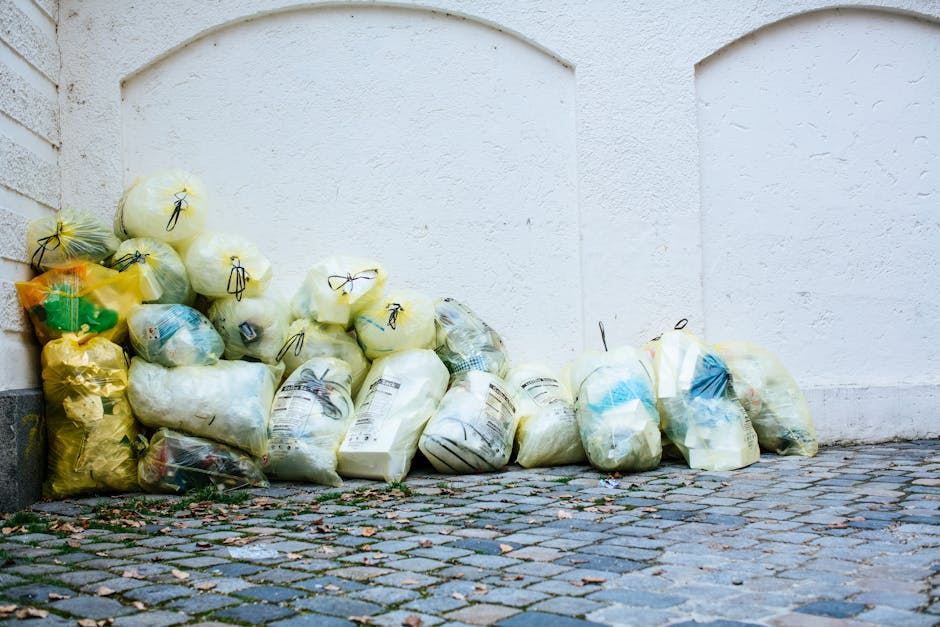
| Bagging for collection | Mixed light-to-medium garden waste | Simple, controlled, easy to stage | Can become heavy fast; needs storage space |
| Professional clearance | Large jobs, overgrowth, bulky waste | Fast, convenient, less lifting for you | Costs more than doing it yourself |
| Regular maintenance plan | Busy gardens with recurring waste | Prevents build-up, keeps tasks smaller | Needs consistency rather than one-off effort |
A lot of homeowners use a combination. For example, compost the soft stuff, chip or cut down the woody material, and arrange periodic removal for the rest. That is often the sweet spot. Not fancy, just effective. If you are also reworking the layout, landscaping support can make future maintenance easier, while patio cleaning is worth considering after a big clearance, because waste dust and damp debris tend to cling to hard surfaces.
Case Study or Real-World Example
Here is a very typical Hampton Hill scenario. A small rear garden has a mature hedge along the boundary, a lawn that is cut regularly, and a few beds that get a bit wild by late summer. Nothing extreme, but enough to create a steady flow of waste.
At first, the owner stores everything in one corner. Grass clippings go in sacks, hedge trimmings sit on a tarp, and weeds are left in a pile "for later." Later, of course, never quite comes. The pile gets damp, the sacks smell a bit earthy in the wrong way, and moving everything becomes harder than the actual cutting.
The fix is not dramatic. The hedge is trimmed in smaller sections. Grass clippings are handled straight after mowing while they are still light. Soft cuttings go into compost. The woody hedge material is reduced before disposal. A set day is chosen for bagging and removal so the waste does not sit around for a week. Suddenly the same garden feels easier to maintain.
The important lesson? Most disposal problems are not caused by the waste itself. They are caused by letting waste build up without a system. Once the system improves, the garden gets calmer almost overnight. You can almost hear the space breathe again, if that does not sound too poetic.
Practical Checklist
Use this quick checklist before and after your next garden clear-up.
- Have I sorted the waste into sensible categories?
- Do I know what can be composted or reused?
- Have I set aside a safe spot for temporary storage?
- Are any branches, thorns, or heavy items cut down to size?
- Have I protected paths, patios, and access points from spills?
- Am I keeping diseased or invasive material separate?
- Do I have enough bags, gloves, and lifting help for the job?
- Have I planned how the waste leaves the property?
- Will the remaining area need a quick sweep or hose down?
- Could future maintenance be reduced by changing the planting or trimming schedule?
Quick expert summary: the best garden waste plan is simple, repeatable, and matched to the size of the job. If you sort early, reduce volume, keep wet waste under control, and choose the right disposal route, the whole process becomes much less of a faff. That alone can change how the garden feels from one season to the next.
Get a free quote today and see how much you can save.
Conclusion
Garden waste disposal problems for Hampton Hill gardeners are really about control: control of volume, timing, effort, and the final look of the space. Once you stop treating waste as an awkward afterthought, the whole job becomes easier. The garden clears faster. The paths stay safer. The finishing result looks intentional rather than half-done.
Whether you compost, bag, chip, mulch, or bring in help for bigger clearances, the most important thing is having a plan that fits the garden you actually have. Not the one you wish you had. Not the perfect one from a magazine spread. The real one, with the narrow side access and the hedge that grows faster than expected.
Handle the waste well, and the garden rewards you back. Quietly, but noticeably.
Frequently Asked Questions
What is the biggest problem with garden waste disposal for small Hampton Hill gardens?
The biggest issue is usually volume in relation to space. Even a modest prune can create bags, bundles, and cuttings that have nowhere sensible to sit while you work. Small access routes make it worse, so staging and reducing waste early is often the fix.
Can I compost all of my garden waste?
Not usually. Soft green waste such as leaves, grass, and many prunings can often be composted, but diseased plants, invasive weeds, thick woody branches, and contaminated material should be kept separate. Composting works best when the material is mixed and managed properly.
Why does wet garden waste cause so many problems?
Wet waste is heavier, more compact, and more likely to smell or go slimy if left in bags. It is also harder to move and easier to spill. If you can, let dry material sit briefly before handling or plan clearance around a drier spell.
Is it better to bag garden waste or compost it?
It depends on the material and your available space. Bagging is practical for mixed waste and larger clear-ups. Composting is better for suitable organic material if you have the room and patience. Many gardeners use both methods together.
How can I reduce the amount of garden waste my garden produces?
Choose plants that suit the site, trim regularly instead of letting things overgrow, and use planting styles that need less frequent cutting back. Ground cover, structured borders, and careful hedge selection can all help reduce ongoing waste.
What should I do with branches and woody cuttings?
Cut them down to a manageable size, stack them safely, and decide whether they can be chipped, reused, or removed separately. Large woody material is often the most awkward part of the job, so dealing with it early helps a lot.
How often should garden waste be removed?
There is no universal schedule. For light-maintenance gardens, occasional removal may be enough. For hedges, lawns, and fast-growing borders, it may make more sense to remove waste regularly so it never builds up into a bigger task.
Are there safety risks with garden waste?
Yes. Heavy bags, sharp stems, hidden thorns, slippery cuttings, and awkward lifting can all cause problems. Good gloves, stable footwear, sensible bagging, and a clear route for moving waste all reduce the risk.
What is the best option for a neglected garden full of waste?
Start with sorting and reducing bulk, then work in stages. If the job is large or the access is awkward, professional help may be the most realistic option. A neglected garden is easier to recover when the waste is cleared in planned sections rather than all at once.
Can I mix soil with garden waste?
It is usually better not to. Soil makes waste much heavier and more awkward to handle. It also changes how compost breaks down. Keep soil separate unless you are working with a very specific composting or landscaping plan.
How do I know whether I need professional help?
If the waste is too bulky to move safely, if the garden access is tight, if the work has become a repeated burden, or if you simply do not have time for the clean-up, professional help is worth considering. A good rule is simple: if the disposal stage is becoming the hardest part, it may be time to get support.
What is the easiest first step if I feel overwhelmed?
Do one small section only. Separate the waste, make one decision about what to compost or keep, and remove one bag or one tarp-load before moving on. A messy garden becomes manageable very quickly once you start shrinking the pile instead of staring at it.
Where can I learn more about keeping the garden easier to manage?
It helps to look at maintenance-friendly planting, regular trimming habits, and low-fuss design choices. Articles on low-maintenance planting, hedge trimming, and winter protection are useful if you want the garden to create less waste over time and stay pleasant to work in.