Cheap garden maintenance quotes Hampton Hill compare local rates
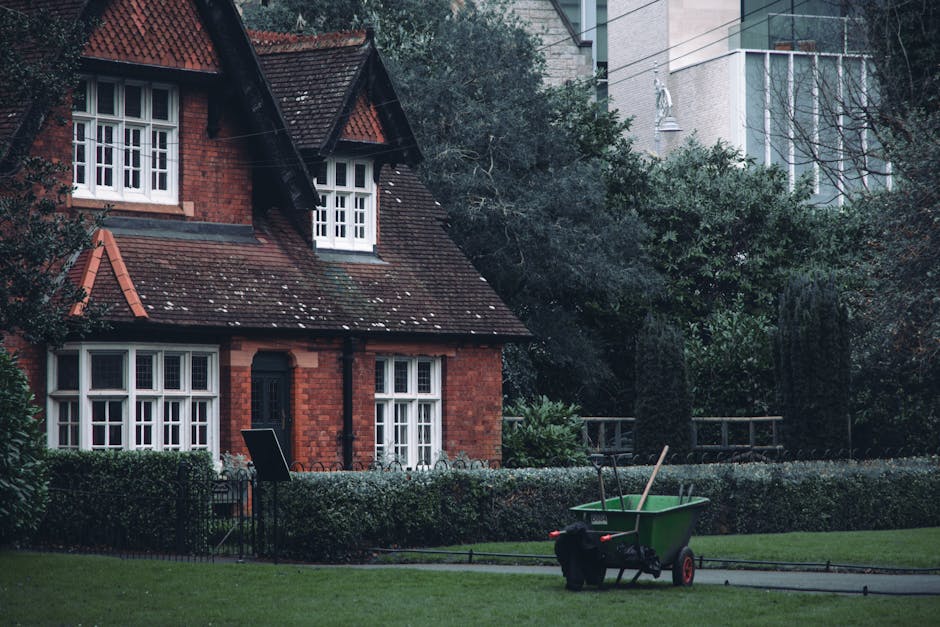
If you are trying to get cheap garden maintenance quotes in Hampton Hill and compare local rates without getting lost in vague pricing, you are in the right place. A tidy garden should not feel like a luxury, and in a place like Hampton Hill, where gardens range from compact town plots to larger family spaces, the price can vary more than people expect. The trick is not just finding the lowest quote. It is understanding what you are actually paying for, what is included, and which local offer gives you the best value for the work your garden really needs.
This guide breaks down how local garden maintenance pricing works, where hidden costs tend to appear, and how to compare quotes properly so you do not end up paying twice for the same job. It also covers when cheap makes sense, when it does not, and what a sensible comparison should look like in the real world. No fluff. Just the practical stuff that helps you make a calm, informed decision.
Why Cheap garden maintenance quotes Hampton Hill compare local rates Matters
Garden maintenance is one of those services where the final price can be deceptively simple on the surface. Mow the lawn, trim the hedge, clear the borders, maybe tidy the patio. Easy enough, right? But once you factor in garden size, access, waste removal, frequency, seasonal growth, and whether the job needs one person or two, local rates start to move around quite a bit.
That is why comparing quotes matters. A cheap quote can be genuinely good value, but it can also hide missing items such as disposal charges, labour time, or follow-up visits. Equally, a higher quote is not automatically expensive if it includes proper equipment, insurance, waste handling, and a more thorough service. In a local market like Hampton Hill, the best outcome usually comes from comparing not just price, but the scope of work and the reliability behind it.
There is also a local angle to this. Some gardens in Hampton Hill are neat but very time-sensitive, especially if they sit under shade, get heavy leaf fall, or need regular edging to stay under control. Others may need a seasonal reset after a few weeks of rain and growth. The right quote should match that reality instead of using a one-size-fits-all number. To be fair, gardens rarely behave like tidy spreadsheets.
Expert summary: cheap is only useful when the quote clearly defines the work, the visit length, what is included, and what happens with cuttings or waste. Compare local rates on a like-for-like basis or you are comparing apples with pears. Or weeds with roses, if we want to be fancy about it.
How Cheap garden maintenance quotes Hampton Hill compare local rates Works
Most garden maintenance quotes are built from a few core factors. If you understand those, it becomes much easier to tell whether a price is fair, suspiciously low, or simply incomplete.
The main pricing factors
- Garden size: A small courtyard and a long rear lawn are very different jobs.
- Task mix: Mowing, hedge trimming, weeding, clearing beds, pruning, and tidying are priced differently.
- Frequency: Weekly or fortnightly maintenance is usually more predictable than one-off work.
- Access: Narrow side passages, shared entrances, or difficult parking can add time.
- Waste: Green waste removal may be included, charged separately, or not offered at all.
- Condition of the garden: An overgrown garden often needs more labour than a light maintenance visit.
What a proper quote should tell you
A useful quote should not feel like a guess scribbled on the back of a receipt. It should explain what the gardener is doing, how long it should take, whether materials or disposal are included, and whether the price is for a one-off job or an ongoing service.
If you are comparing local rates, ask for the same information from each provider. That means matching the scope. For example, one gardener may quote for mowing and edging only, while another includes weeding, sweeping, and waste removal. The second may look more expensive at first glance, but could actually be better value.
If the quote is unusually low, check whether it excludes common extras. A very lean quote can be fine for a quick tidy-up, but if the garden needs a proper reset, missing items tend to appear later. And nobody likes the phrase "just a little extra" once the work has started.
Key Benefits and Practical Advantages
Getting cheap garden maintenance quotes in Hampton Hill and comparing local rates is not only about saving money. Done well, it helps you get the right service at the right frequency, with less stress and fewer surprises.
- Better value for money: You can see whether a price is genuinely competitive or only cheap on paper.
- Clearer expectations: Comparing quotes helps define the job before anyone arrives.
- Less waste: You avoid paying for tasks that do not need doing.
- Fewer disputes: Detailed quotes reduce misunderstandings about what was included.
- More suitable scheduling: Regular maintenance often prevents bigger, costlier jobs later.
There is another benefit that gets overlooked: confidence. When you know how local rates are structured, you can say yes to a quote without that nagging feeling that you have missed something obvious. That peace of mind matters, especially if you are arranging work while juggling a busy week, or if the garden has got away from you a bit after a wet spell.
For many homeowners, the real saving is not just on the invoice. It is in avoiding the domino effect. Let a hedge go too long, let weeds seed, let the lawn thin out, and suddenly the tidy-up becomes a much bigger project. A well-priced maintenance plan can stop that slide.
Who This Is For and When It Makes Sense
This approach suits a wide range of people in Hampton Hill, not just homeowners with large gardens. In practice, we see it helping anyone who wants a cleaner, more predictable way to manage outdoor space.
- Busy households: If the garden is always last on the list, a regular quote comparison can help you set a realistic routine.
- Landlords and property managers: You may need the garden kept presentable between tenancies or inspections.
- Older homeowners: Tasks like hedge trimming or heavier clearance can become physically awkward, then risky.
- First-time buyers: New owners often underestimate how quickly maintenance adds up once a garden is actively used.
- Anyone with seasonal pressure: Spring growth, summer mowing, and autumn leaf fall all change the workload.
It also makes sense when you want to compare service styles. Some people need a one-off rescue job after neglect or bad weather. Others want a light, regular visit to keep things under control. The quote should reflect that difference. If it does not, ask again. Quietly, firmly. No drama required.
If your garden includes extra features like a paved sitting area, raised beds, fencing, or shrubs that need more careful handling, the scope becomes even more important. In those cases, general maintenance may overlap with patio cleaning, fencing, or even landscaping if the layout itself needs improvement.
Step-by-Step Guidance
If you want a cleaner comparison process, follow a simple method. It keeps things practical and helps you avoid comparing a full-service quote with a half-finished promise.
- List what needs doing. Write down the tasks: mowing, weeding, hedge trimming, pruning, leaf clearance, border tidying, and waste removal if needed.
- Note the garden condition. Is it a light tidy, routine maintenance, or a proper overgrown clearance? That distinction affects cost a lot.
- Ask for the same scope from each provider. Use the same description so the quotes are actually comparable.
- Check what is included. Ask about labour, equipment, fuel, travel, waste disposal, and VAT if relevant.
- Compare frequency and flexibility. A regular visit may be cheaper per visit than a one-off service.
- Look at turnaround time. A cheap quote is less appealing if the gardener cannot fit you in for weeks.
- Confirm the payment terms. Make sure you understand deposit requirements, due dates, and cancellation conditions.
- Choose value, not just price. The best quote is the one that fits the job, the garden, and your expectations.
One small but useful tip: take a few photos in daylight before requesting quotes. Morning light is often best, because shadow can hide the detail. A clear photo set gives the gardener a better sense of the workload and helps reduce guesswork. It sounds basic, but it saves time.
If you need broader recurring work, it can help to review the provider's garden maintenance options alongside specialist tasks such as lawn mowing or hedge trimming. That way, you are not buying separate services blindly when a joined-up approach would work better.
Expert Tips for Better Results
Here is where a little experience goes a long way. A lot of people ask for a cheap quote and then only think about price. Fair enough, that is the obvious bit. But the smarter move is to look at how the quote behaves over time.
- Ask whether the rate changes with frequency. Routine maintenance is often more efficient than repeated one-off callouts.
- Clarify cut-and-collect or cut-and-drop. Waste removal can change the price more than people expect.
- Separate "tidy" from "restore." A tidy-up should not be priced like a full clearance if the work is modest.
- Request a written summary. Even a short one helps avoid crossed wires later.
- Ask what happens in wet weather. Some tasks shift if conditions are poor, especially mowing and turf care.
You will also get better results if you think seasonally. Spring and early summer can bring fast growth, while autumn brings leaf build-up and damp debris. In those periods, a quote that looks cheap may actually be too basic for the job. Truth be told, gardens do not care about your budget calendar.
One more thing: if a provider sounds too eager to quote without asking anything about the garden, that can be a warning sign. A good local gardener normally wants enough detail to price sensibly. A few questions up front are a positive sign, not a nuisance.
If the work is likely to involve larger branches, tall hedges, or safety-sensitive pruning, it may be worth exploring specialist services like tree surgery or tree lopping and removal rather than treating it as standard maintenance.
Common Mistakes to Avoid
A cheap quote can go wrong in a few very predictable ways. The good news? Most of them are avoidable once you know what to look for.
- Comparing different scopes: One quote includes waste removal and another does not. That is not a fair comparison.
- Ignoring access issues: Tight side paths, steep steps, or difficult parking can affect labour time.
- Assuming "maintenance" means the same thing everywhere: It does not. Some providers include only basics.
- Skipping the written quote: Verbal prices are easy to misremember.
- Choosing solely on the lowest number: Cheap today can become costly tomorrow if the job is under-specified.
- Not asking about waste: Green waste can be the hidden line item that changes everything.
There is also a subtle mistake people make when their garden has been neglected for a while. They ask for a maintenance quote when they really need a clearance quote. That matters because the labour profile is different. A maintenance visit is about keeping things under control; a clearance job is about bringing the space back from the brink. Big difference. Very big, actually.
Another one is forgetting that garden work can evolve. Once a gardener sees the space in person, they may spot border edges, broken growth, or access problems that were not obvious in the photos. That is normal. What matters is whether the quote changes fairly and transparently.
Tools, Resources and Recommendations
You do not need a complicated system to compare quotes properly. A few simple tools can make the job much easier.
- Phone camera: Take clear photos from different angles, ideally in daylight.
- Short written brief: A simple note listing the required tasks keeps enquiries consistent.
- Comparison table: Use one row per quote and note inclusion, exclusions, frequency, and response time.
- Calendar reminder: Useful if you want a regular maintenance pattern through spring and summer.
- Measured rough notes: You do not need surveyor-level precision, but approximate garden size helps.
For local planning, many people also find it helpful to separate services by purpose. Routine upkeep sits under gardening services, lawn-focused work sits under lawn care, and larger one-off jobs may sit under garden clearance. That keeps your request tidy and stops the quote process from drifting into vague territory.
If you are trying to stay on top of outdoor surfaces as well, you might combine maintenance with patio cleaning or plan a broader refresh with landscape gardening. Sometimes the garden feels easier to manage once the layout itself makes more sense.
And if you want to understand how quote structures are handled more generally, review the site's pricing and quotes information. It helps set expectations before you ask for anything specific.
Law, Compliance, Standards, or Best Practice
Garden maintenance is not usually a heavily regulated service in the way that some trades are, but there are still sensible standards to expect. A trustworthy provider should work safely, respect property boundaries, and handle waste responsibly. If machinery is being used, or if trees, heights, or slippery surfaces are involved, safety becomes more than a nice idea. It becomes part of the job.
In practical terms, you should expect the provider to be clear about insurance, safe working methods, and any limits on what they will do. It is also reasonable to ask how they handle green waste and whether they follow environmentally sensible disposal practices. If sustainability matters to you, a provider's approach to recycling and green waste management can be part of the decision.
For more formal reassurance, you can look at the site's insurance and safety information and the health and safety policy. Those details are useful because they show how the service approaches risk, especially for ladder work, cutting equipment, and uneven ground.
It is also sensible to check the terms and conditions and payment and security pages before booking. That is just good practice. A short read now can save a longer conversation later, and nobody wants to be sorting out a misunderstanding while the lawn is half-cut and the hedge trimmer is already in the van.
If you care about environmental impact, the recycling and sustainability page may also be useful. Responsible garden maintenance is not only about appearances; it is about what happens to cuttings, clippings, and materials afterwards.
Options, Methods, or Comparison Table
When comparing local rates, it helps to compare the type of quote as well as the amount. A low one-off price is not always the same value proposition as a slightly higher recurring rate. The right choice depends on the condition of the garden and how often you want help.
| Quote type | Best for | Typical strengths | Possible drawbacks |
|---|---|---|---|
| One-off tidy-up | Overgrown or seasonal reset jobs | Good for immediate improvement, flexible scope | Can cost more per visit than regular maintenance |
| Regular maintenance | Homes that need routine upkeep | Predictable, often better value over time | Less suitable if the garden is already in poor shape |
| Task-based pricing | Specific jobs like hedge trimming or mowing | Clear and easy to compare | Can become expensive if several tasks stack up |
| Full-service maintenance | Busy households or rental properties | Convenient and often more comprehensive | May include services you do not need every visit |
For many Hampton Hill gardens, a blended approach works best. A regular lawn visit, plus occasional hedge trimming or a seasonal clear-out, often gives the best balance between cost and appearance. It is more efficient than treating everything as a big emergency once or twice a year.
If your garden has structural features that influence upkeep, such as borders, sleepers, fencing, or raised seating areas, the comparison should also take those into account. In some cases, a bit of planning now can reduce maintenance costs later. That is the quiet win people usually miss.
Case Study or Real-World Example
Picture a typical Hampton Hill front and back garden: a medium lawn, a few shrubs, two tired borders, a hedge that has crept a little wider than planned, and a patio that has gone from pale stone to that slightly greenish shade London weather seems to specialise in. Nothing dramatic. Just normal life getting in the way.
The homeowner asks for three quotes. One is very cheap and promises a quick tidy. One is mid-range and includes mowing, edging, weeding, hedge trimming, and waste collection. The third is slightly higher but offers a regular monthly visit, plus seasonal adjustments in spring and autumn.
At first glance, the cheapest quote looks tempting. Who would not want to save a bit? But once the scope is compared properly, it turns out the low quote excludes waste removal and only covers mowing. The middle quote is actually the best fit for the garden's needs because it includes more of the work that is visibly making the space untidy. The highest quote could still make sense for someone who wants the same team to visit regularly and keep everything on a schedule.
That is the pattern we see again and again. The cheapest number is rarely the whole story. If the quote aligns with the garden's real condition, the service often feels cheaper in the long run because it avoids repeat fixes and rushed add-ons.
And there is a human side too. A customer often just wants the garden to stop nagging at them from the window. You know the feeling: every time you look out, there it is, waiting. A sensible quote comparison takes that pressure away and turns the job into something manageable.
Practical Checklist
Use this before you accept any quote. It is quick, and it saves hassle.
- Have I described the garden and tasks clearly?
- Are all quotes based on the same scope of work?
- Does the price include waste removal, if I need it?
- Do I know whether this is a one-off or recurring rate?
- Have I checked what is excluded?
- Do I understand the payment terms?
- Has the provider explained access or parking assumptions?
- Do I feel confident the service matches the garden's condition?
- Have I considered whether I need mowing, hedge work, or clearance separately?
- Is the quote written down clearly enough to avoid confusion later?
If you can tick most of those off, you are in a good place. If not, pause and ask more questions. That is perfectly normal. A decent local gardener will expect it and, frankly, should welcome it.
Get a free quote today and see how much you can save.
Conclusion
Comparing cheap garden maintenance quotes in Hampton Hill is really about balance. You want a fair local rate, yes, but also clarity, reliability, and a scope that reflects the actual state of the garden. The best quote is the one that tells you exactly what will happen, what it will cost, and what you can expect after the work is done.
If you take the time to compare like for like, ask about waste removal, and think about whether you need regular upkeep or a one-off tidy, the whole process becomes easier. Less guesswork. Fewer surprises. And a garden that feels manageable again, which is often the real goal anyway.
Sometimes the difference between a stressful outdoor space and a pleasant one is just a well-chosen maintenance plan and a clear quote. Small thing. Big relief.
Frequently Asked Questions
What should a cheap garden maintenance quote in Hampton Hill include?
At minimum, it should say what tasks are included, whether it is a one-off or recurring visit, and whether waste removal is part of the price. If those details are missing, the quote is harder to compare and easier to misunderstand.
How do I compare local garden maintenance rates fairly?
Use the same job description for each quote and make sure you are comparing the same scope of work. Compare labour, waste handling, frequency, and exclusions rather than only looking at the final number.
Why is one quote much cheaper than the others?
Usually because something has been left out. That could be waste disposal, longer labour time, hedge work, edging, or even follow-up visits. A lower price is not automatically bad, but it should be explained clearly.
Is regular garden maintenance cheaper than one-off visits?
Often, yes. Regular maintenance usually keeps the garden under control, so each visit is simpler and quicker than dealing with heavy overgrowth. The exact saving depends on the garden and how often it needs attention.
Do I need a different quote for garden clearance?
Very likely, yes. Garden clearance is normally more labour-intensive than routine maintenance. If the space is overgrown or full of cuttings, ask for a clearance quote instead of a basic tidy-up price.
Should waste removal be included in the quote?
If you want the garden left tidy with green waste taken away, then yes, that should be clear in the quote. Some providers include it, others charge separately, and some do not offer it at all.
What is the best time of year to request garden maintenance quotes?
There is no single perfect time, but spring and early summer are busy because growth speeds up. If you want regular maintenance through the growing season, asking early often helps with availability.
How many quotes should I compare?
Three is usually a sensible number. It gives you a useful spread without turning the process into a mini research project. More than that can be helpful for complex jobs, but for ordinary maintenance, three is often enough.
Can I ask for a quote from photos only?
Yes, and for many straightforward jobs that is a sensible start. Clear photos from different angles help, but if the garden is large, awkward, or overgrown, a site visit may be needed for a more accurate price.
What if the gardener finds more work once they arrive?
That can happen, especially if the garden has hidden growth, poor access, or more debris than expected. A good provider should explain the change clearly before doing extra work, not just spring it on you afterwards.
Are cheap quotes always bad value?
No, not at all. A cheap quote can be excellent value if the scope is clear and the provider is efficient. The key is checking that the lower price still covers the work you actually need.
When should I choose a specialist service instead of general maintenance?
If the job involves tall hedges, difficult pruning, tree work, or structural outdoor features, a specialist service may be more appropriate. General maintenance is great for routine upkeep, but it is not always the right tool for bigger or riskier jobs.
How can I avoid surprise charges?
Ask for a written quote, confirm exclusions, and check whether waste removal, travel, or extra labour is charged separately. A short conversation at the start can prevent a much longer one later.